
Guide · Experiential technology
Interactive technology in experiential marketing
How projection mapping, LED volumes, kinetic staging and real-time interaction shape brand experiences — with practical guidance from Orora's live productions.
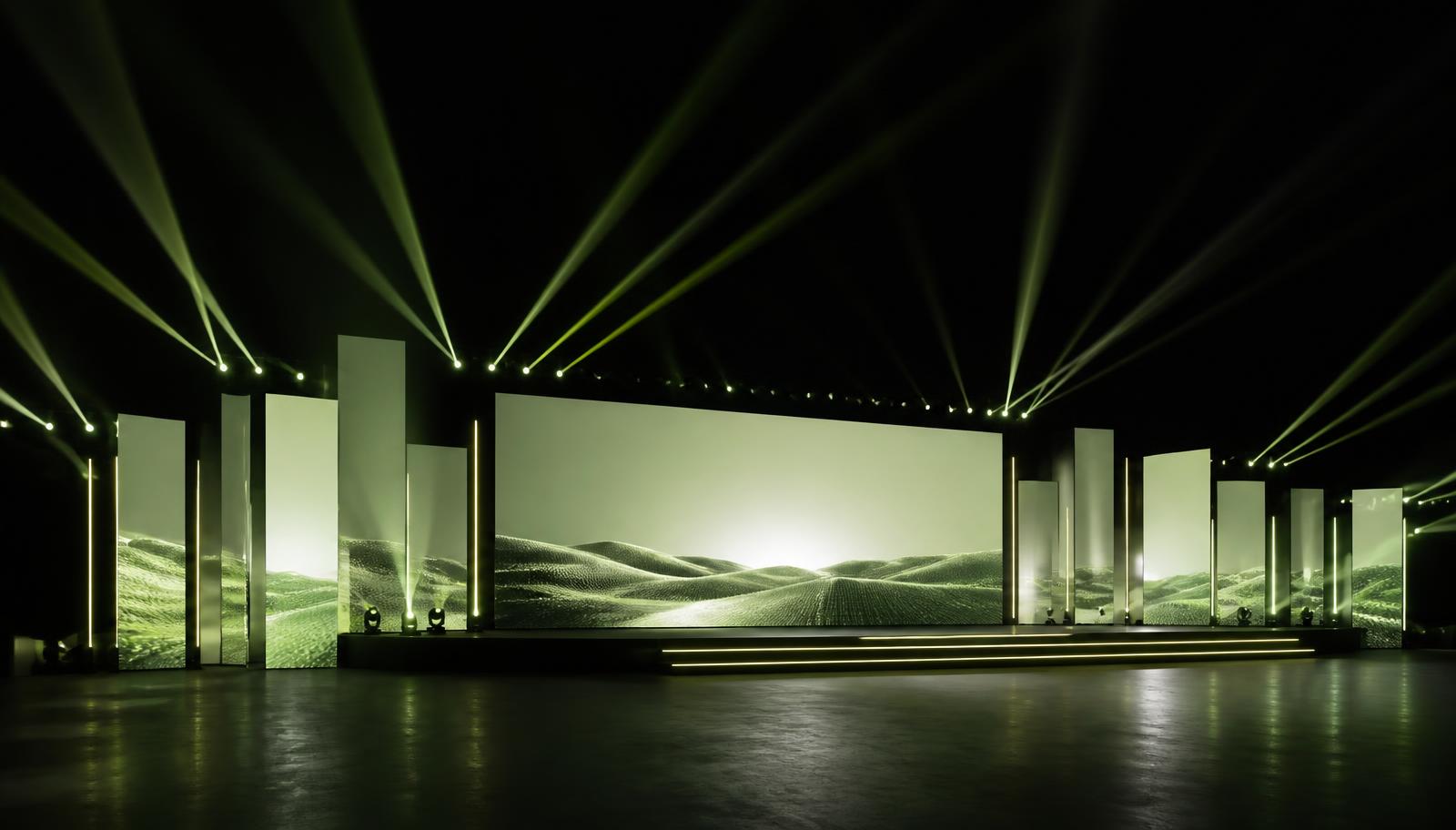
Why the tech question comes first now
Audiences arrive at brand experiences already fluent in spectacle. What earns attention is not the size of the screen but whether the room responds — whether the guest is a participant rather than a viewer. That shift moves technology from production line item to creative foundation.
The sections below cover the technologies we use most across automotive launches, national celebrations, conferences and interactive installations, and the decisions that determine whether each one lands.
Projection mapping
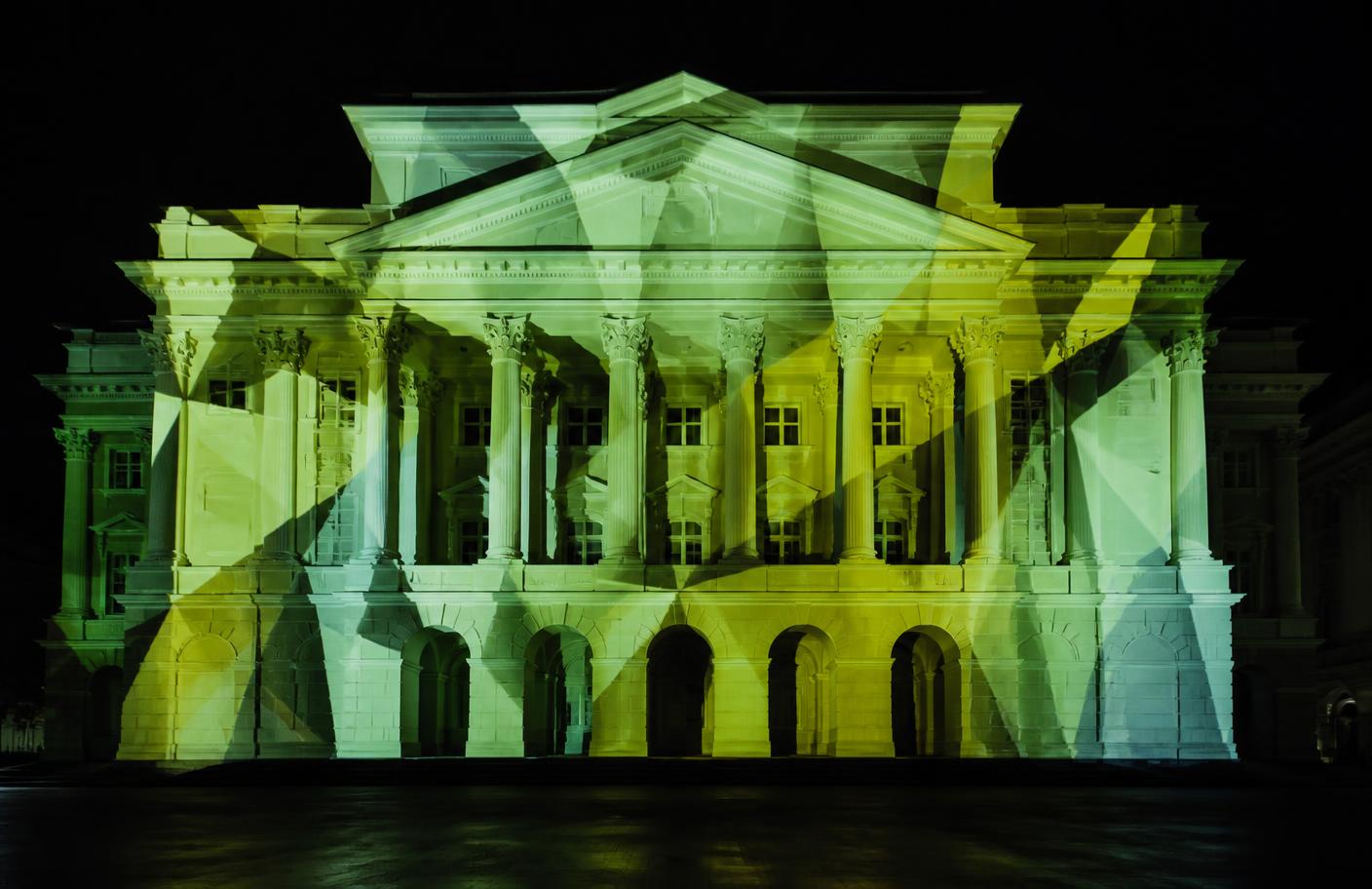
Projection mapping turns architecture, vehicles and set pieces into screens. Instead of hanging a rectangle of LED, the surface itself becomes the canvas — a facade, a car body, a staircase, a sand dune.
The craft sits in three places: an accurate 3D survey of the surface, brightness and blend planning across overlapping projectors, and content authored to the geometry rather than cropped to fit. Get the survey wrong and no amount of content polish will rescue the edges.
What to lock early
- Survey and photogrammetry of the real surface before content design begins
- Lumen budget calculated against ambient light, throw distance and surface reflectivity
- Redundant media servers with frame-locked playback
- Sightline study so the audience never stands inside the beam
LED volumes and immersive rooms
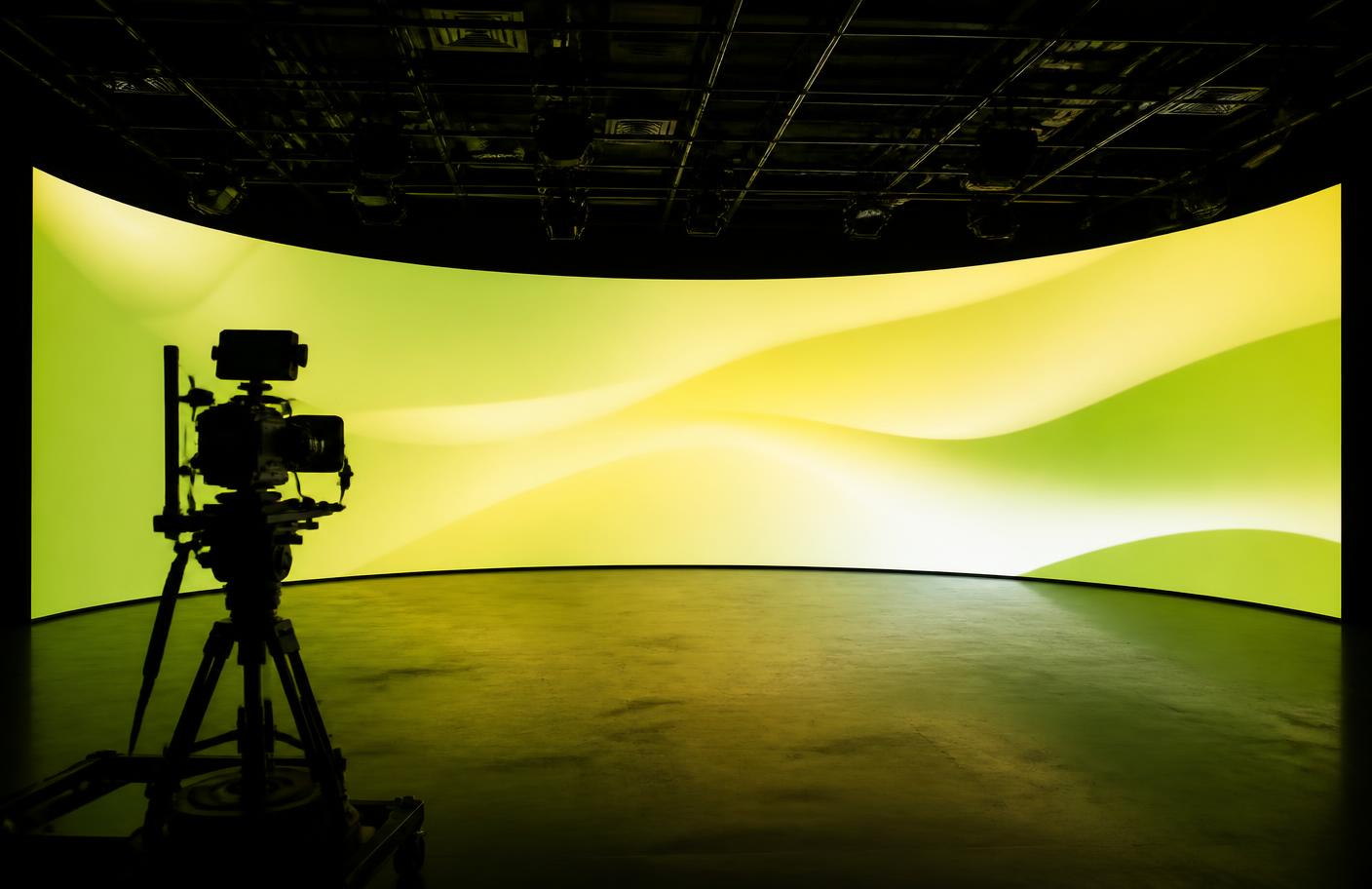
An LED volume wraps the audience in a continuous image — walls, ceiling and sometimes floor driven as one canvas. Borrowed from virtual production, it has become the fastest way to place guests inside a brand world without building it physically.
Volumes reward narrative pacing. A ten-minute wrap-around film exhausts an audience; a two-minute arrival moment followed by interactive states holds them and keeps throughput moving.
What to lock early
- Pixel pitch chosen for the closest guest viewing distance, not the render
- Colour calibration matched to camera profiles when the room will be filmed
- Content rendered at true canvas resolution to avoid upscaling artefacts
- Throughput plan: guests per cycle, reset time, queue management
Real-time interaction and sensing
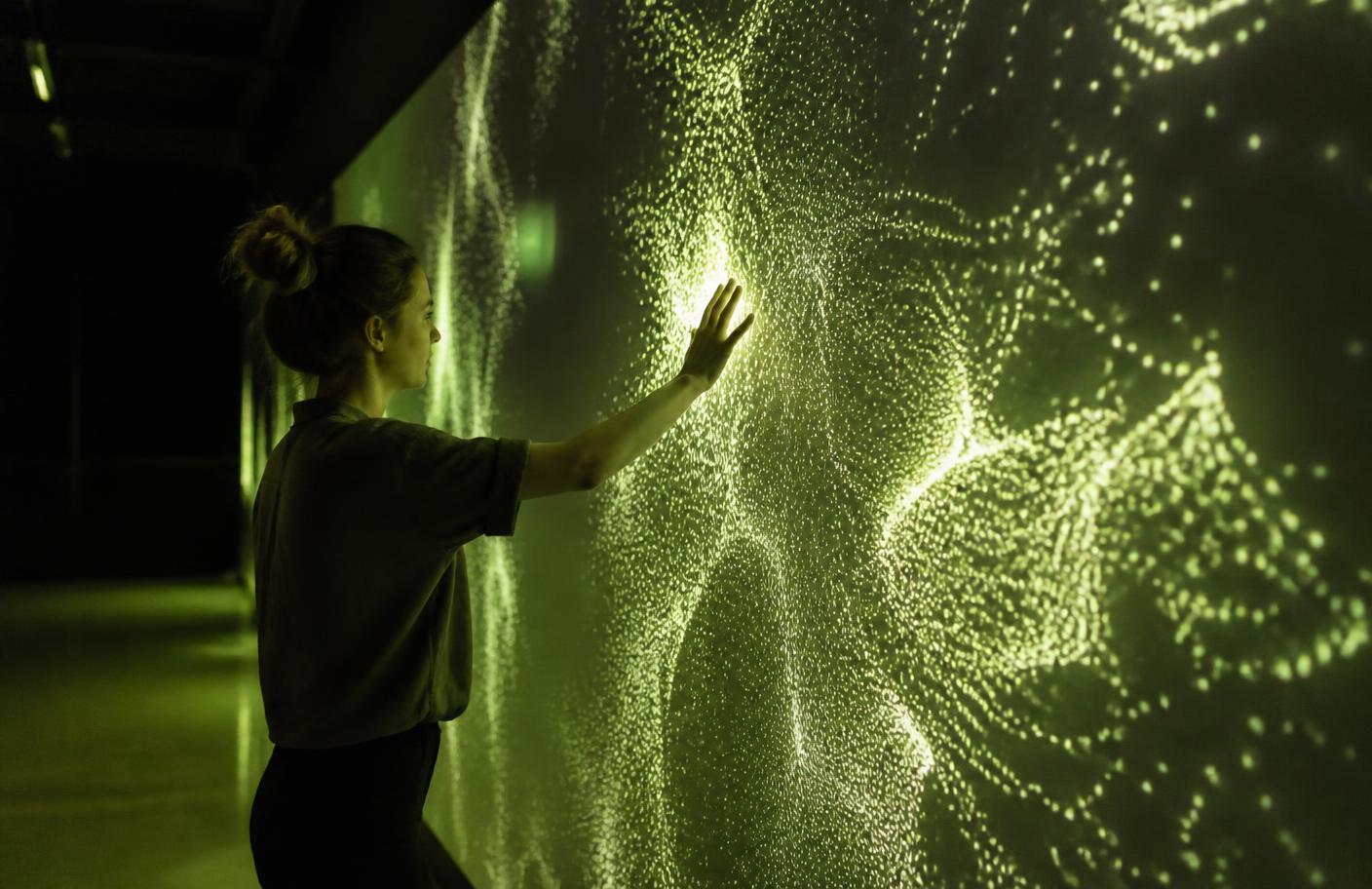
Interaction is what separates an installation from a screening. Depth cameras, lidar, capacitive surfaces, RFID wristbands and phone-as-controller all feed a real-time engine that changes what the audience sees because of what they did.
The rule that holds across every build: the response must be legible within one second. If a guest cannot tell that they caused the change, the interaction reads as a glitch.
What to lock early
- One clear cause-and-effect per interaction — no stacked mechanics
- Attract loop that teaches the interaction without signage
- Graceful idle and reset states for unattended hours
- Sensor calibration re-checked as ambient light and crowd density change
Kinetic staging, robotics and drone light shows
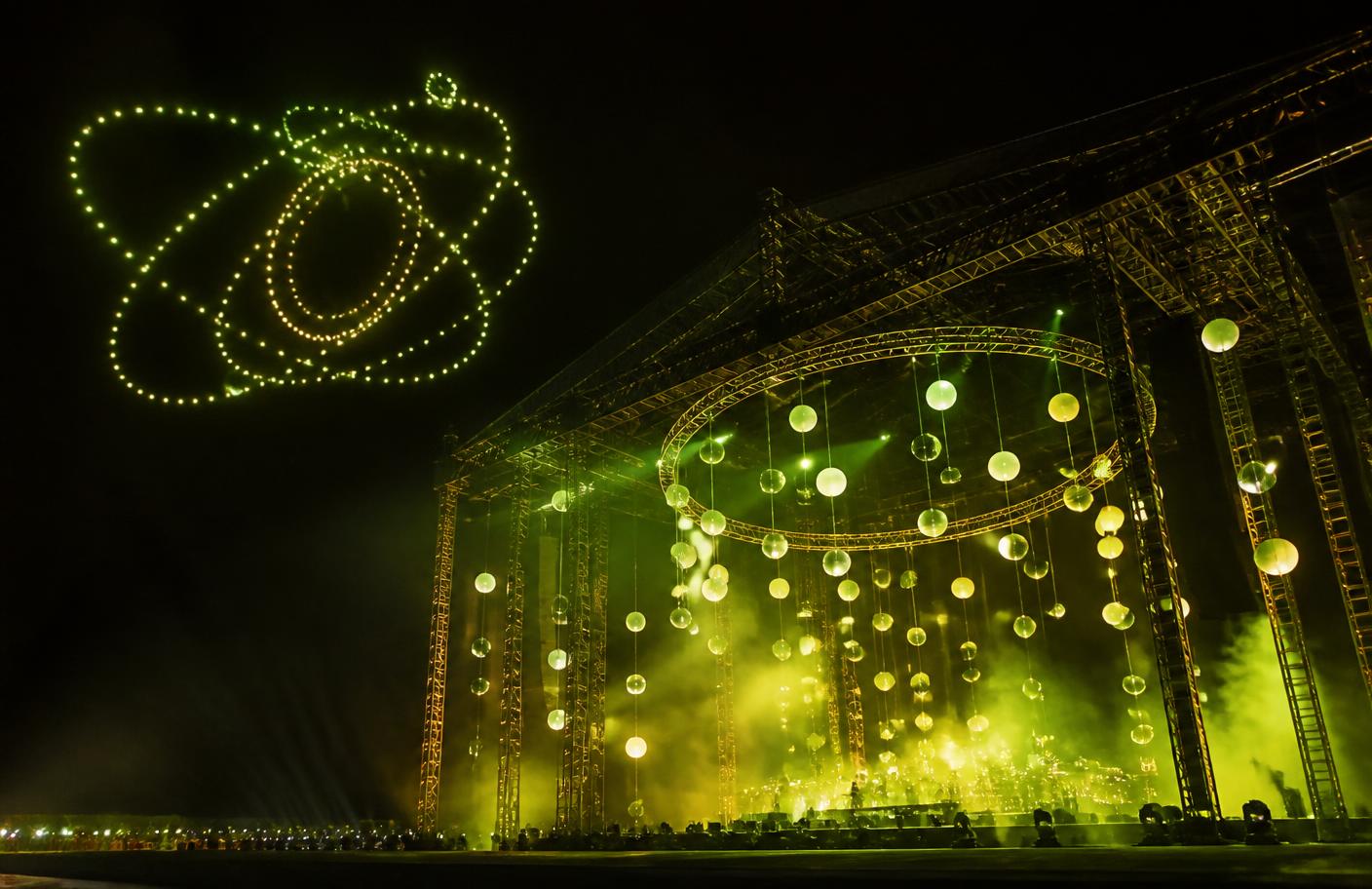
Motion adds a dimension screens cannot. Kinetic ceilings, winched scenery, robotic camera arms and drone swarms give a reveal genuine physical scale — the reason automotive launches keep returning to them.
Everything here is a safety conversation first and a creative one second. Load paths, exclusion zones, wind limits and airspace permissions define what the concept can actually be, so involve the technical director at concept stage.
What to lock early
- Engineered rigging plots signed off by a qualified structural engineer
- Exclusion zones and abort procedures rehearsed with the full crew
- Wind, airspace and permit windows confirmed before drone content lock
- Manual override for every automated cue
Data, capture and measurement
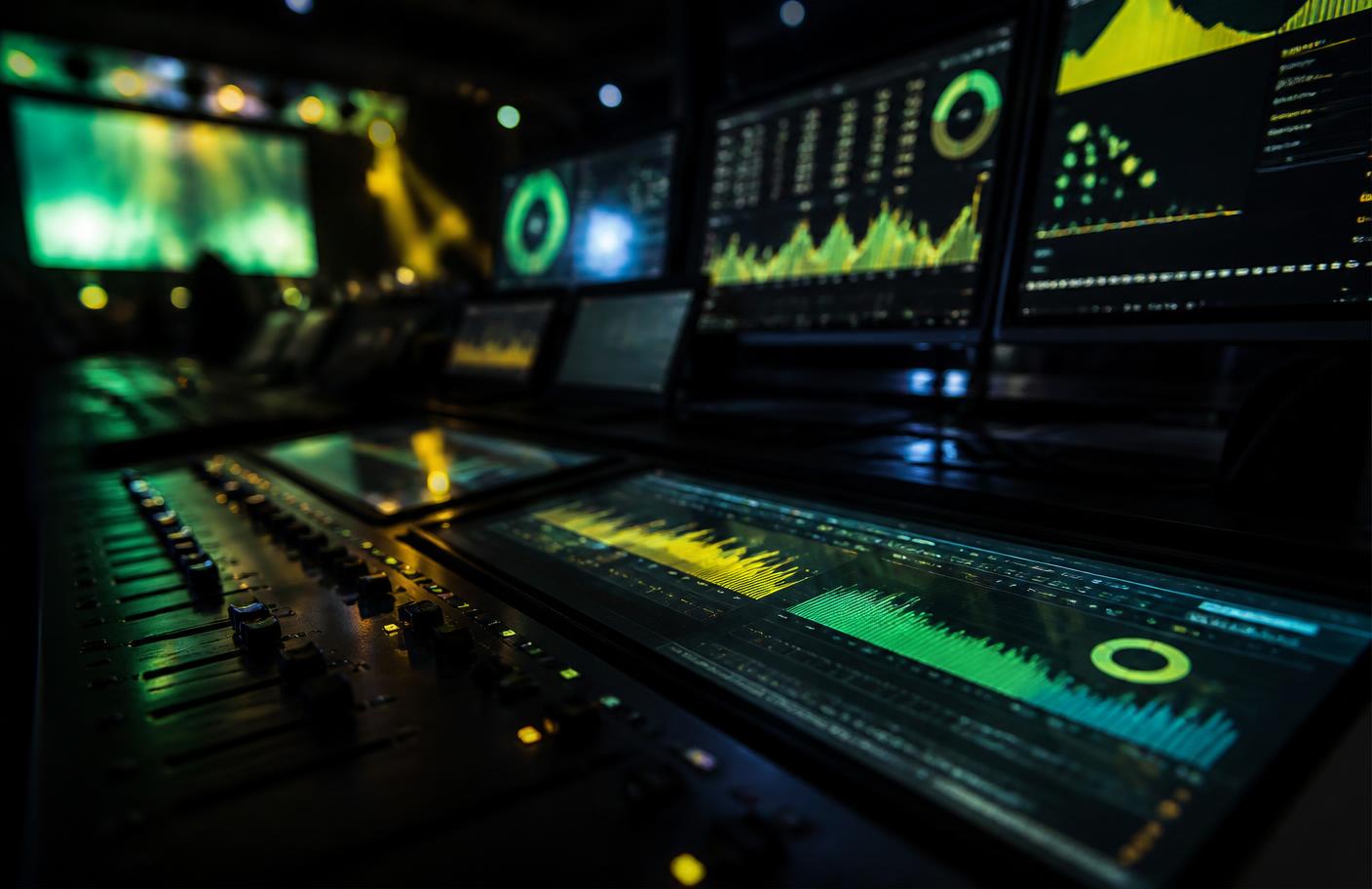
Interactive tech produces evidence. Dwell time per zone, interactions per guest, opt-ins, shares and content generated are all measurable when instrumentation is planned before the build rather than bolted on during rehearsals.
Pair the numbers with capture. A personalised photo, film or generated artwork that a guest leaves with extends a two-minute moment into weeks of organic reach.
What to lock early
- Define two or three success metrics before creative lock
- Consent and privacy handling for any capture or personal data
- Automated delivery of guest-generated assets within minutes
- Post-event report comparing measured behaviour against the brief
Choosing the right tech for a brief
Start from the behaviour you want, not the hardware. If the goal is a single shareable reveal, projection mapping or drones give scale. If it is dwell and depth, a volume or interactive installation earns the minutes. If it is qualified leads, instrumented interaction plus capture beats spectacle every time.
Then pressure-test against the venue: ceiling height, ambient light, power, load-in window and permits decide more concepts than budget does.
See how this looks built
Every technique above appears somewhere in our production archive — launches, immersive rooms and interactive installations across the Gulf and beyond.