
Industry · GCC outlook
Delivering events in an unstable region
Regional instability, insurance, freight routes, talent supply and shifting budgets are reshaping event delivery across the Gulf — and the planning habits that hold up under it.
The context we are all planning inside
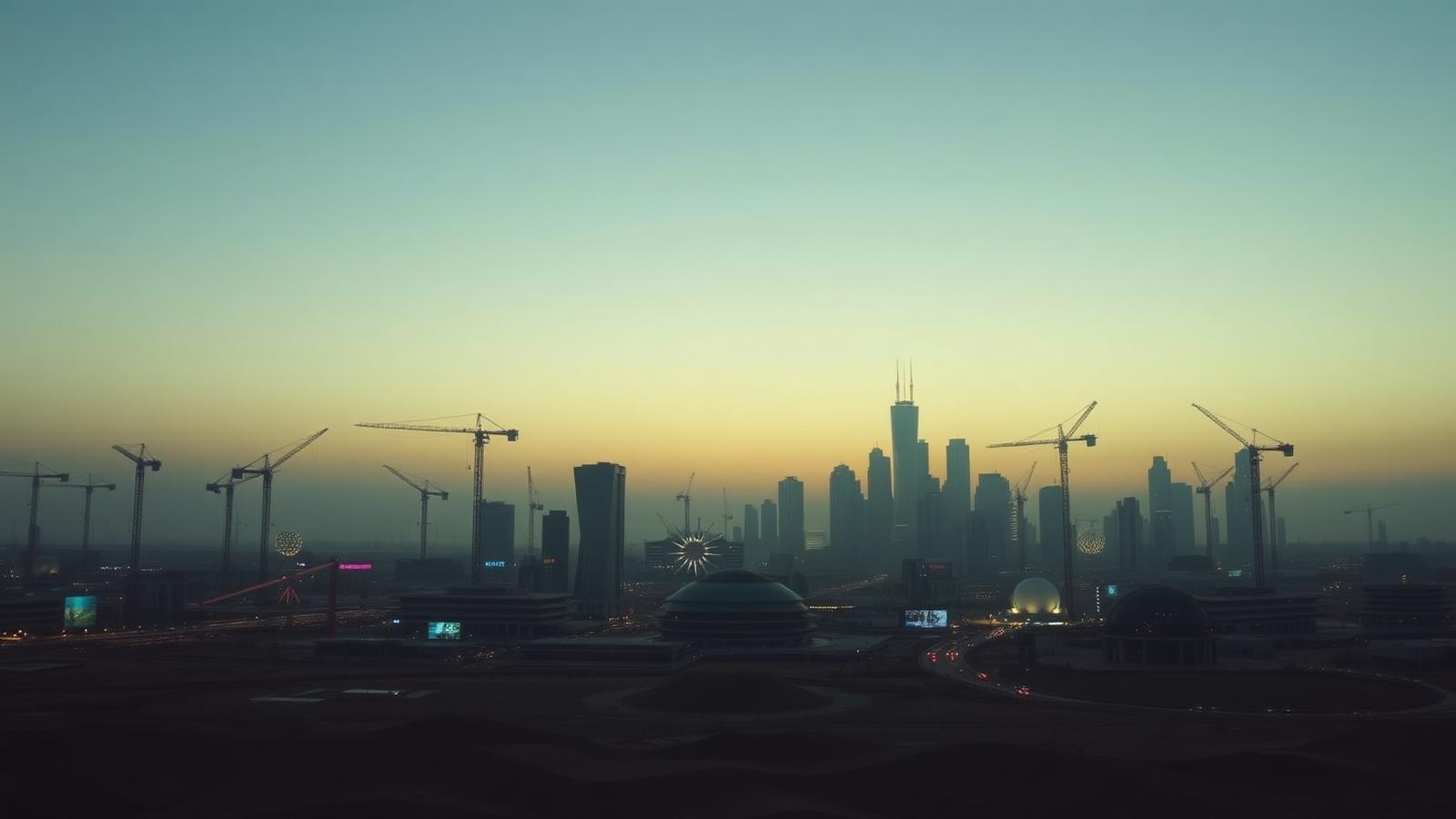
The Gulf remains one of the most active event markets in the world — national celebrations, sport, giga-project openings and a dense conference calendar. But the operating conditions around that activity have changed. Conflict elsewhere in the region, airspace and shipping disruption, tighter compliance and longer approval chains all now sit between a brief and a show.
None of this is a reason to plan less ambitiously. It is a reason to plan differently. These are the pressures we see most often, and how we build around them.
Postponement is now a design assumption
Regional escalation has made date risk normal rather than exceptional. Airspace closures, national days of mourning and sudden shifts in public sentiment can move or mute an event with little notice, and brands are rightly cautious about celebrating loudly at the wrong moment.
The practical answer is to design shows that can be re-toned rather than only cancelled. When the music, lighting state and film edit have a restrained alternate version prepared, a client facing a difficult week has an option other than pulling the event entirely.
Build in the option
- Alternate dates held with venue and key suppliers at contract stage
- Force majeure and postponement terms negotiated, not accepted as boilerplate
- A pre-approved 'quiet' version of the show: reduced music, softer tone
- Communication templates ready for postponement or scope reduction
Insurance, permits and rising compliance load
Cover has become harder and costlier to secure for large gatherings, drone content and anything involving flown structures. At the same time permitting has professionalised across Saudi Arabia and the UAE — which is good for the industry, but it lengthens lead times.
Treat permits as a critical path item with the same weight as fabrication. Concepts that depend on late approvals should carry a documented fallback, because a creative idea without a permit is not a plan.
Clear the paperwork first
- Permit and licence timeline mapped before creative lock
- Drone, pyro and rigging approvals owned by a named person
- Cancellation and public liability cover priced early, not assumed
- Documented fallback for every permission-dependent element
Freight, routing and equipment availability
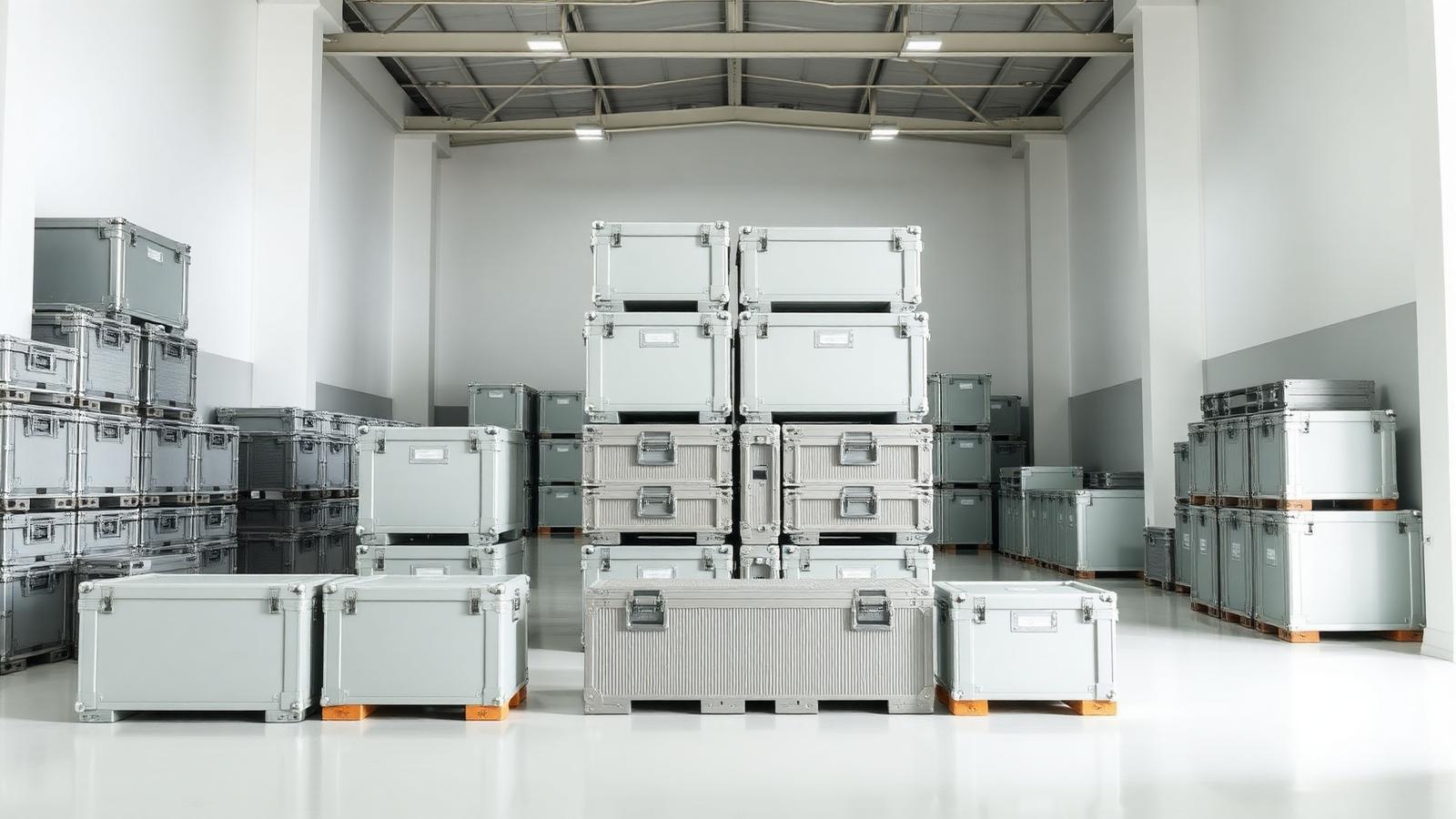
Shipping into the region has grown less predictable. Re-routing around affected corridors adds days and cost, insurance on high-value kit has risen, and peak-season demand across Riyadh, Jeddah, Dubai and Doha means the LED and automation inventory you specified may already be committed elsewhere.
Regional sourcing is the hedge. Specify equipment families available from more than one Gulf supplier, and confirm inventory rather than availability in principle — a stock hold beats a friendly assurance.
De-risk the supply chain
- Long-lead items ordered against confirmed stock holds
- Equipment specified in families, with an approved regional equivalent
- Customs documentation prepared weeks ahead for cross-border moves
- Buffer days in the schedule for freight, not just for build
Crew and specialist talent under pressure
The volume of work created by Saudi giga-projects and the UAE's event calendar has stretched the pool of experienced technical directors, show callers, media server operators and riggers. In peak weeks, several major shows compete for the same handful of specialists.
Agencies that book crew early and treat them well hold the advantage. Continuity of crew across a client's events is also an underrated quality factor: a team that already knows the brand's tolerances makes fewer costly interpretations.
Secure the people
- Key technical roles contracted at the same time as the venue
- Deputy named for every single-point-of-failure role
- Visa and mobilisation timelines planned for incoming specialists
- Consistent core crew retained across a client's event series
Budgets are not smaller, they are more scrutinised
Spend across the Gulf remains strong, but approval chains are longer and every line is expected to justify itself. Marketing teams are being asked what the event returned, not just how it looked.
This favours agencies that instrument their work. Dwell time, interactions, qualified leads, content generated and earned reach turn an event from a cost centre into a measurable channel — and make renewal conversations straightforward.
Prove the return
- Measurement plan agreed with the brief, not added afterwards
- Capture and content strategy planned so the event keeps working online
- Modular scope so budget can flex without redesigning the show
- Post-event reporting standardised across a client's programme
What resilience actually looks like
It is unglamorous: alternate dates, regional sourcing, permits on the critical path, named deputies, a quiet version of the show, and numbers agreed before creative. Together they mean a difficult month changes the shape of an event rather than deleting it.
The Gulf's appetite for ambitious live work has not faded. The teams that will keep delivering it are the ones that treat instability as a planning input rather than an excuse.
Producing in the Gulf right now
Orora delivers experiences across Saudi Arabia, the UAE and the wider GCC, with regional sourcing, permitting and contingency built into the plan from day one.